 Buyer's Guide
What Is Flexible Stone Veneer? Real Stone, Made Thin
Flexible stone veneer sounds like a contradiction. Stone is heavy and rigid, so how can it bend? The answer is simple. It is real stone, split very thin, and that changes everything.
What it is
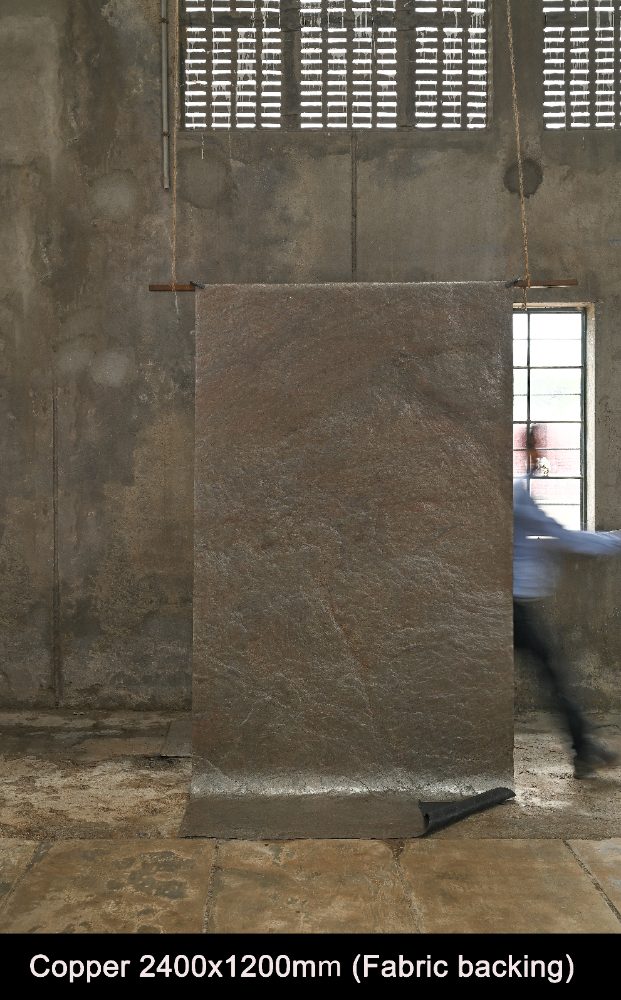
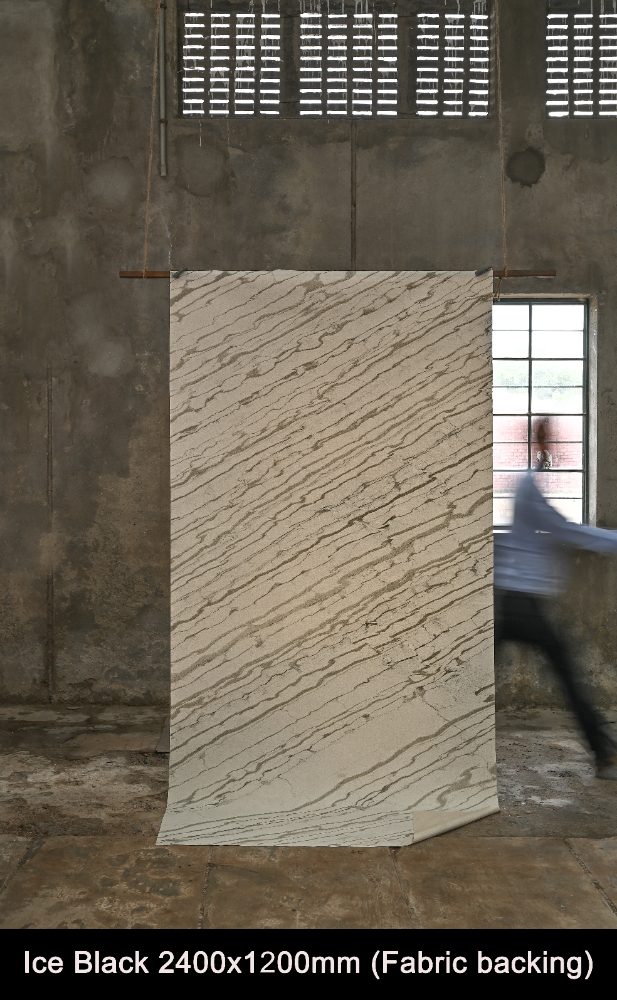
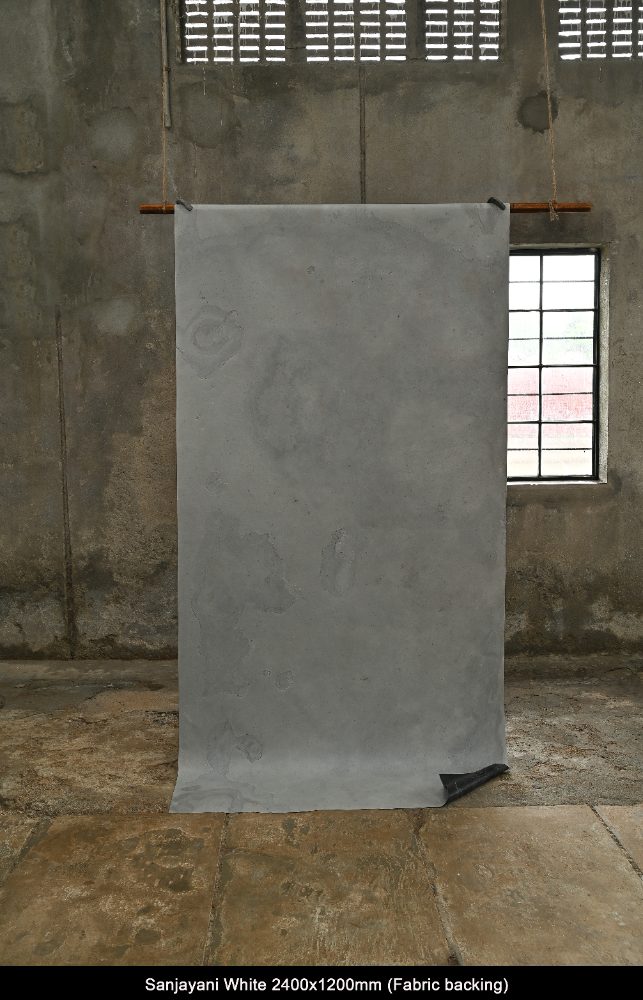
Flexible stone veneer starts as a real block of quarried stone. The natural face is split away at just a few millimetres and bonded to a flexible backing. What you see and touch is the stone itself, the same veins, grain and colour, not a printed picture. Because the layer is so thin, the sheet is light enough to lift by hand and bends around curves that solid stone never could.
How it is made
Every sheet is a thin stone face, a resin layer, and a backing. The mix depends on the line: a fibreglass backing for most finishes, a soft cotton backing for the thinnest and most flexible, and a clear UV resin for the translucent stone that glows when you light it from behind.
Why people choose it
It is light, about 2 kg per square metre, so it ships and installs far more easily than slabs. It is thin, from 0.6 to 3 mm depending on the finish. It is flexible, so it wraps columns, curves and corners. It is real, made by nature, so no two sheets are ever the same. And it is kinder to the earth, because one quarried block covers far more wall, so far less stone is mined.
Where it goes
Feature walls, fireplaces, kitchens, backsplashes, facades, reception desks and more, indoors and out. Real stone, in places thick slabs could never reach.
See it in your own space with Visual Arch, or explore our four lines: Fiber, Lucent, Silk and Meta.